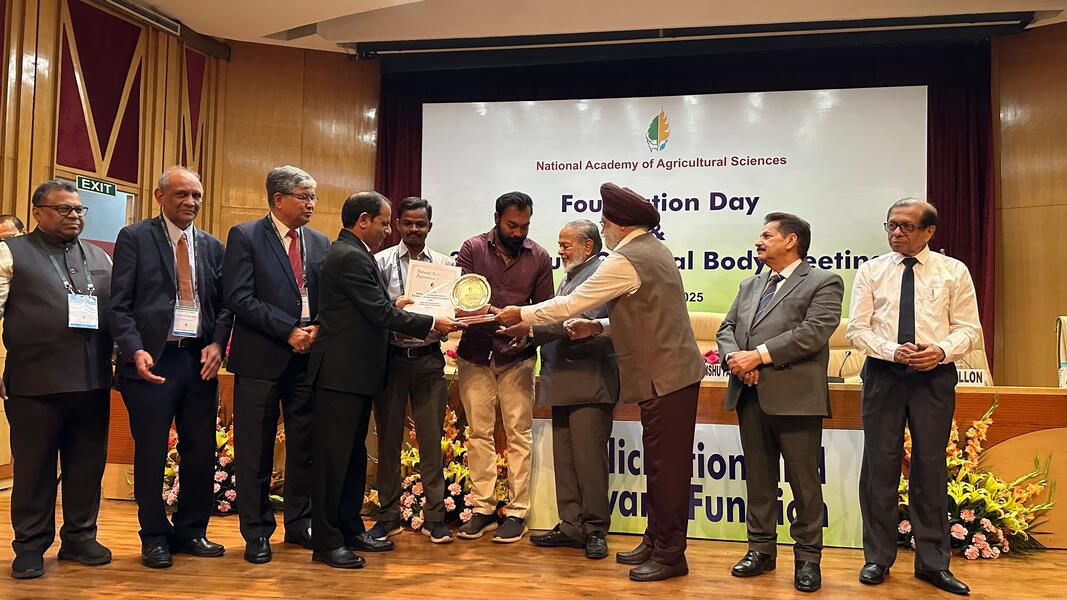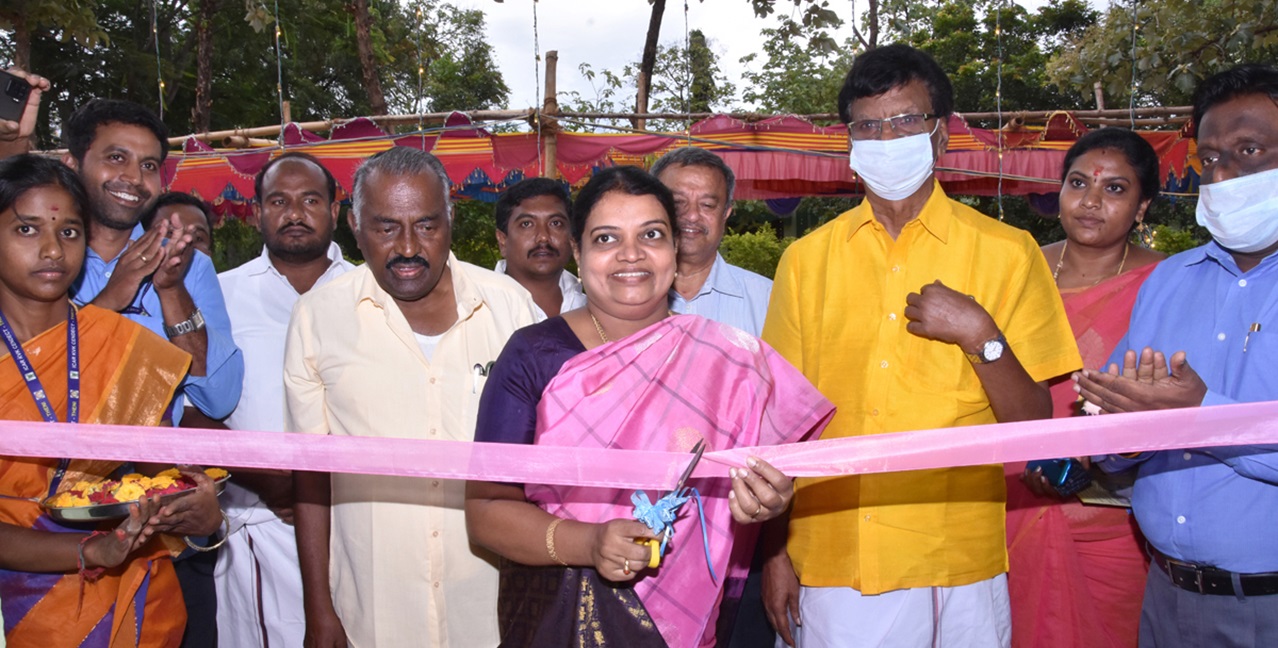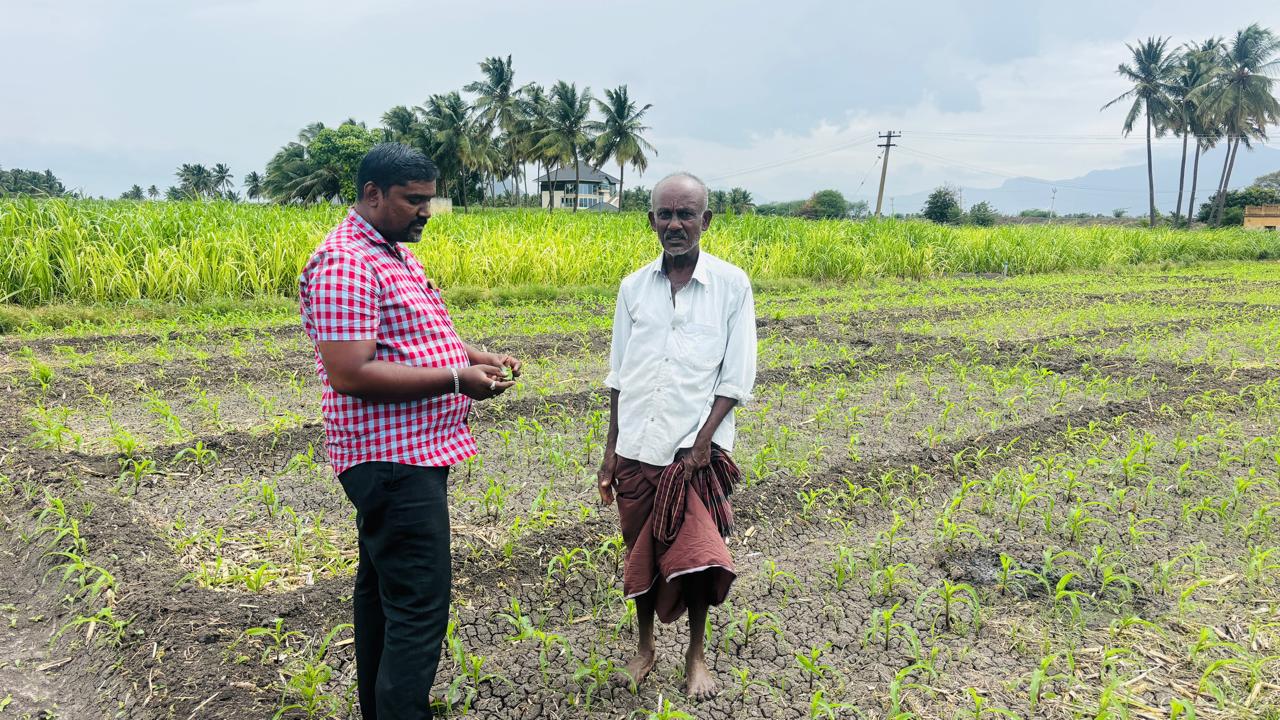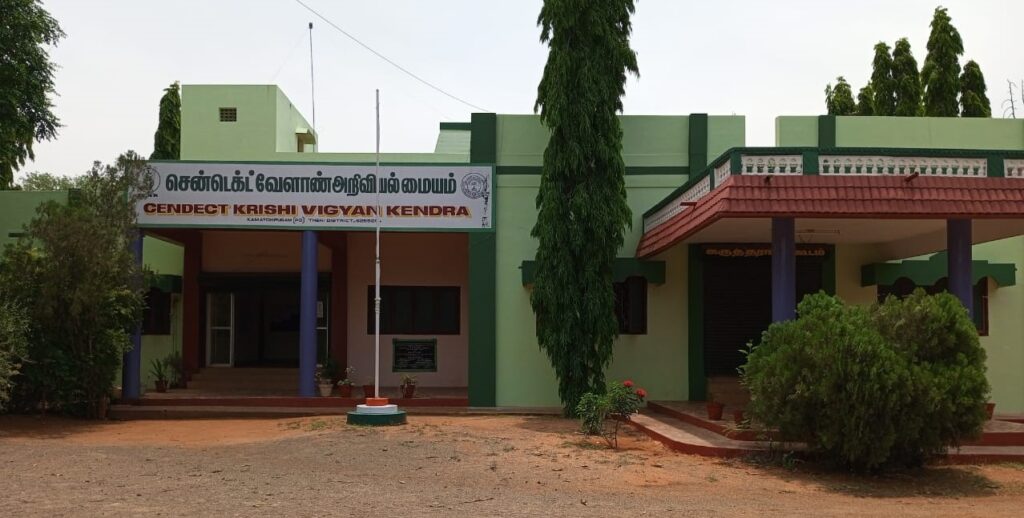
Krishi Vigyan Kendra (Farm Science Centre) in India is a unique system of technology transfer. Started its service on 21st March 1974 at Puducherry, the first KVK in India, grown to 731 KVKs in 2023. As the frontline extension system, KVKs have their footprint in every successful technology developed by institutions and adopted by farmers.... |
Hon’ble
Prime Minister
Hon’ble Minister of
Agriculture & Farmers Welfare
Secretary (DARE)
& Director General (ICAR)
![]() |
![]() |
![]() |
Indian Council of Agricultural Research (ICAR), Government of India mandated the establishment of Krishi Vigyan Kendras as grassroots level Farm Science Centres to provide various types of farm support activities like technology dissemination to farmers, training, awareness to achieve the set of objectives. KVK have made dent and has become part of decentralized planning and implementation instrument to achieve desired level of growth in agriculture and allied sector in the district.
KVK play a vital role in conducting on farm testing to demonstrate location specific agricultural technologies. KVK conducts demonstrations to prove the potential of various crops at farmers’ fields. Also conduct need based training programmes for the benefit of farmers and farm women, rural youths. KVK creates awareness about improved agricultural technologies through extension programmes. Critical and quality inputs like seeds, planting materials, organic products, bio fertilizers and livestock are produced by the KVK and made available to the farmers.
Technology assessment, refinement and demonstration of technology/products through the following activities of KVK.
- On-farm testing to identify the location specificity of agricultural technologies under various farming systems.
- Frontline demonstrations to establish its production potentials on the farmers’ fields.
- Training of farmers to update their knowledge and skills in modern agricultural technologies, and training of extension personnel to orient them in the frontier areas of technology development.
- To work as resource and knowledge centre of agricultural technology for supporting initiatives of public, private and voluntary sector for improving the agricultural economy of the district.
- In order to create awareness about improved technology, a large number of extension activities will be taken up.
- The seeds and planting materials produced by the KVKs will also be made available to the farmers.
Extension Programme – Dissemination of Technology (DoT) Meet -14
Event Details:
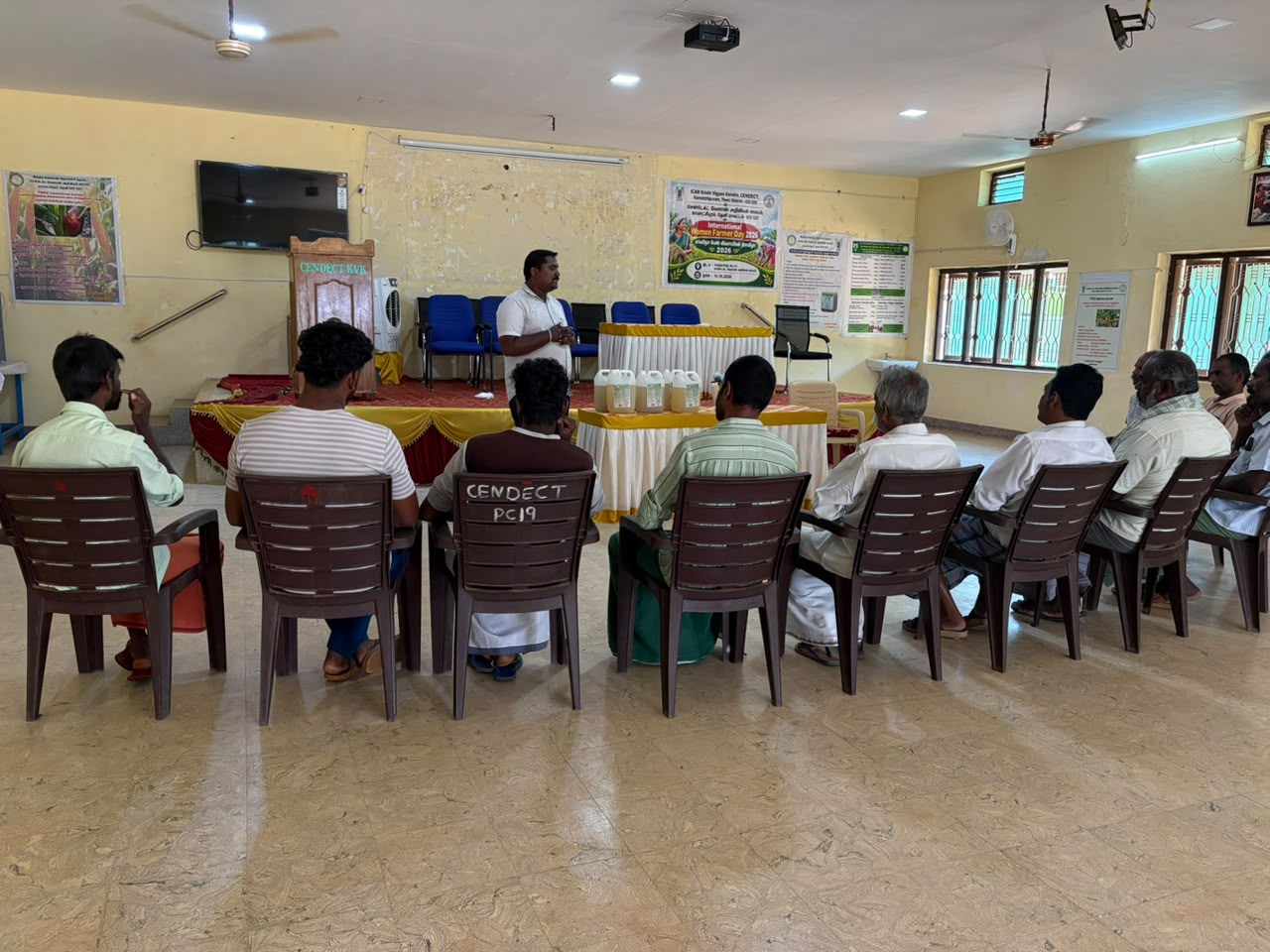
Conducted DoT Meet on Processing and Value Addition in Garlic
• Overview of KVK mandated activities
• Special address was given by Shri. S. Senthil Kumaran, Assistant Director (Development), Spices Board, Regional Office, Bodinayakkanur, Theni. He highlighted the uniqueness of GI-tag Kodaikanal Hill Garlic (Malai Poondu), export opportunities, Government schemes and the importance and scope of processing and value addition in garlic
• Handled a technical session on garlic processing, medicinal properties, nutritional value, processing and value addition based machineries, value-added products including black garlic, garlic salt, garlic legium, garlic flakes, garlic powder and garlic oil, garlic rice powder
• Explained certification, branding, labelling, Government schemes
Aavin- Primary milk producers Co-operative Society (MPCS)
Event Details:
1. A field visit was conducted at Ethakovil village to facilitate Aavin registration for a dairy farmer.
2. The farmer was previously supplying milk to a private dairy sector.
3. Officials from Aavin, including the Deputy Registrar of Dairy, visited the farmer’s dairy .
4. The farmer’s dairy animals were inspected for their health and overall management.
5. The officials verified the animals and the dairy farming practices followed by the farmer.
6. After inspection, the officials informed that the farmer would be registered with Aavin for milk procurement.