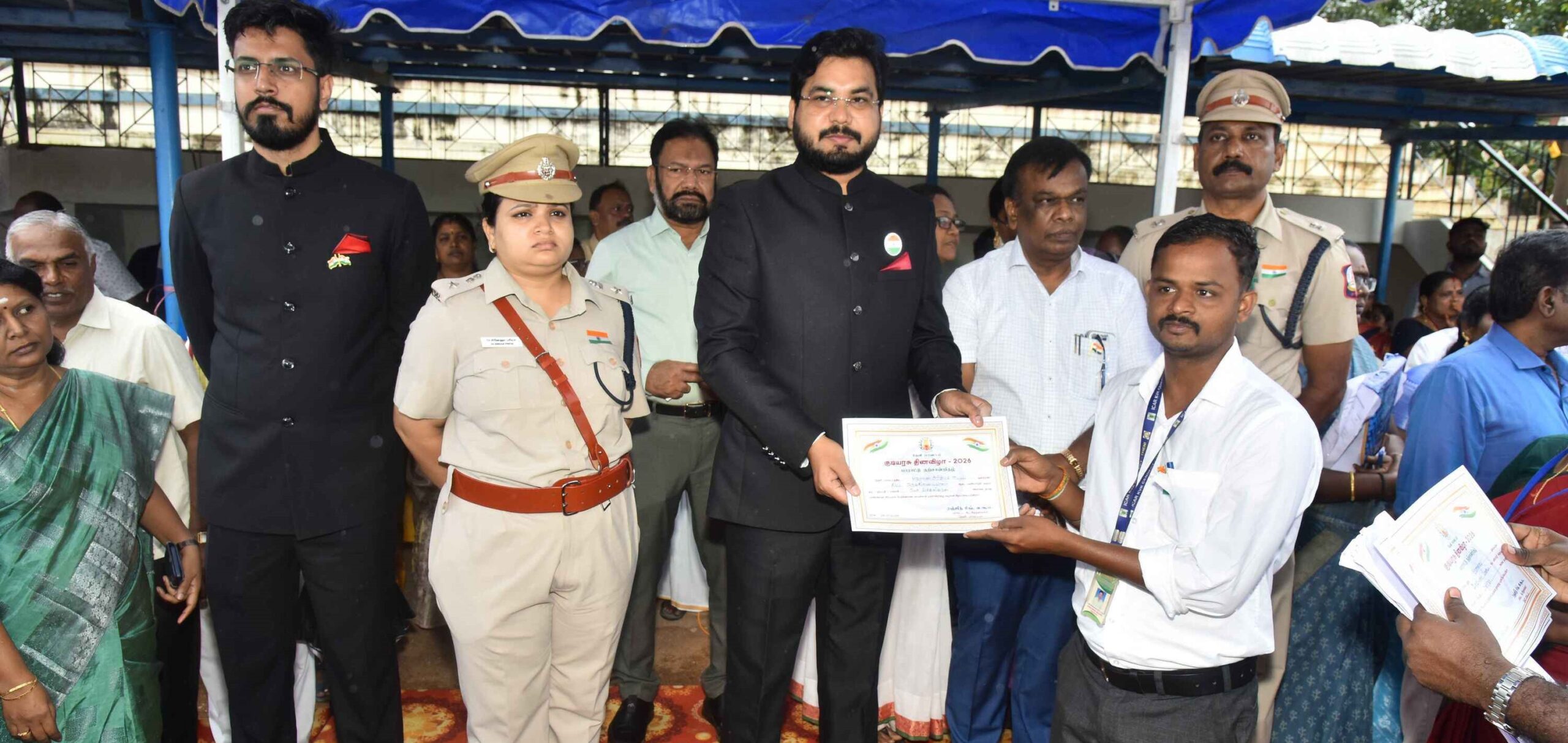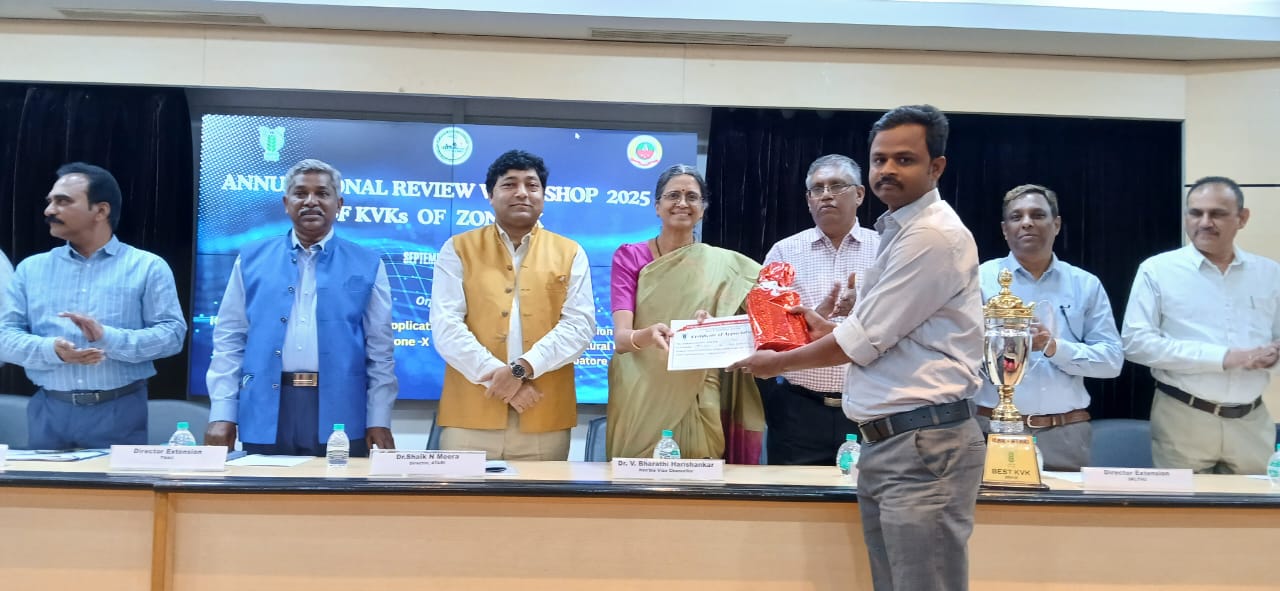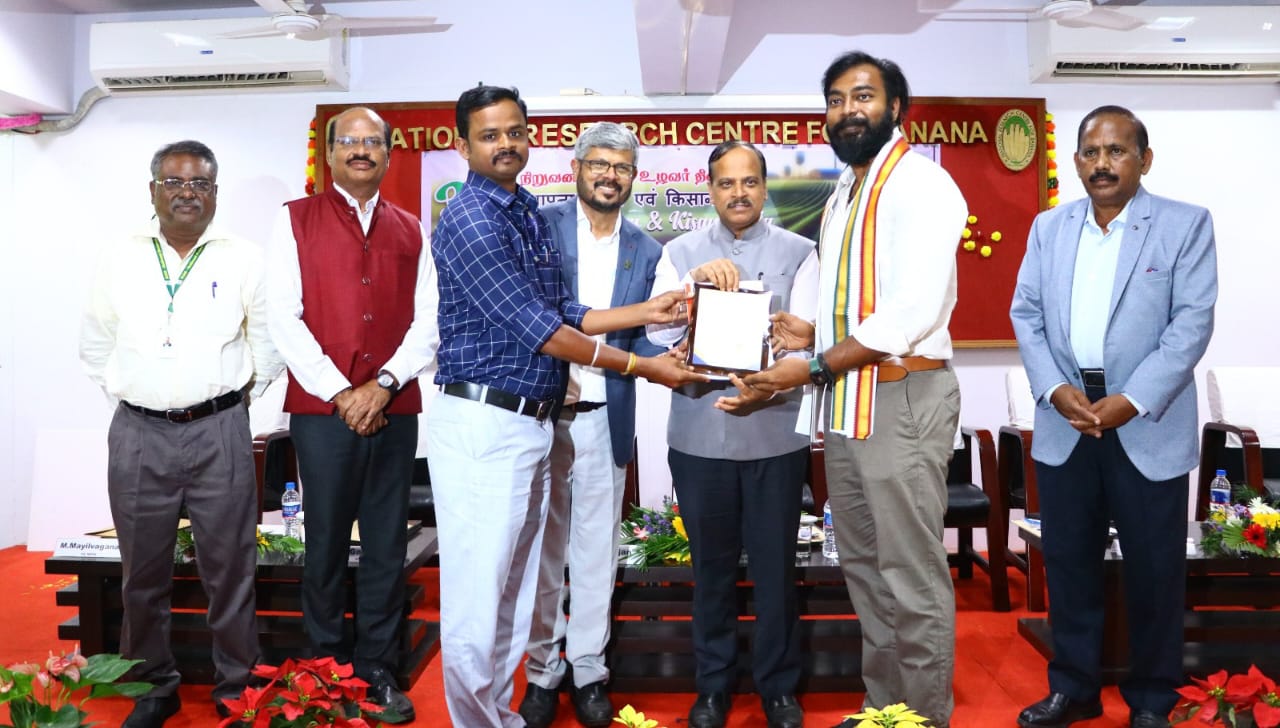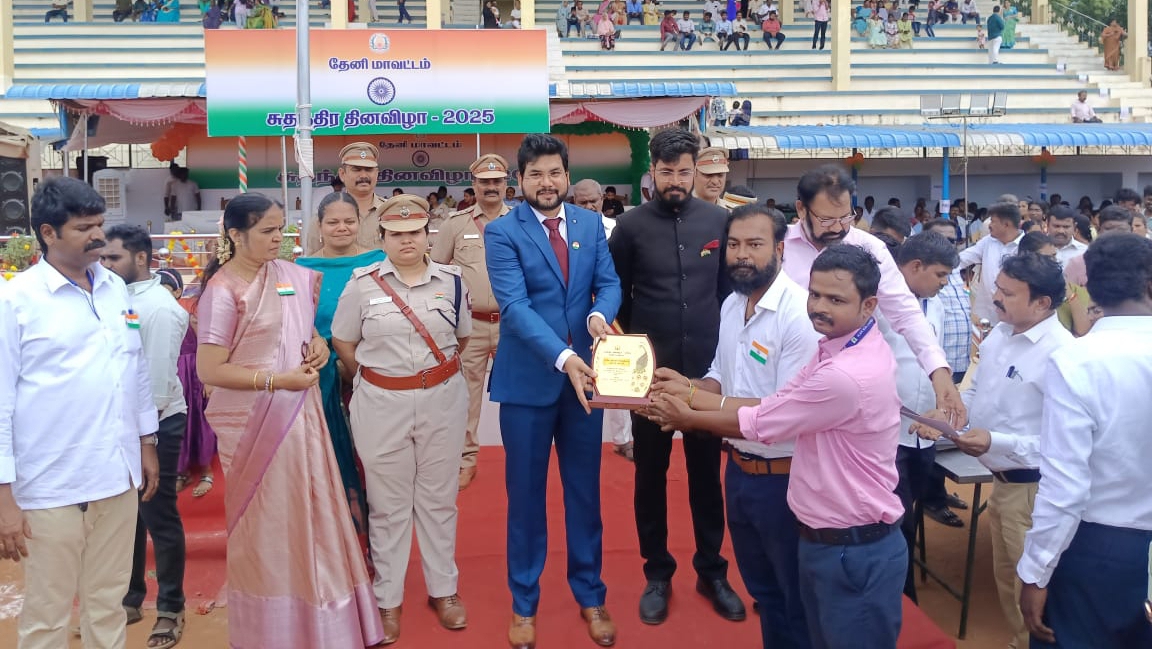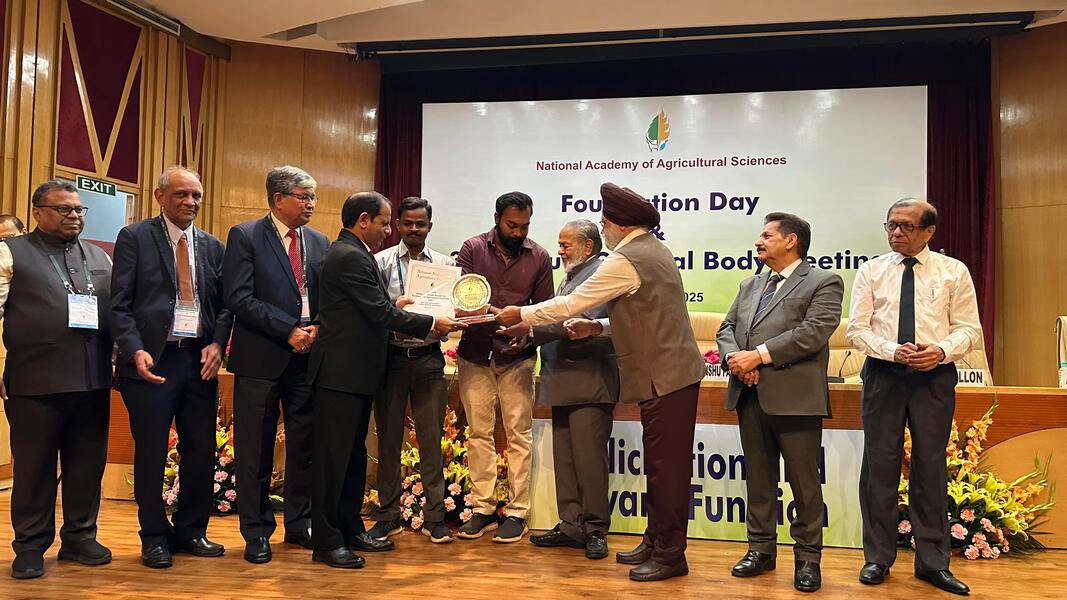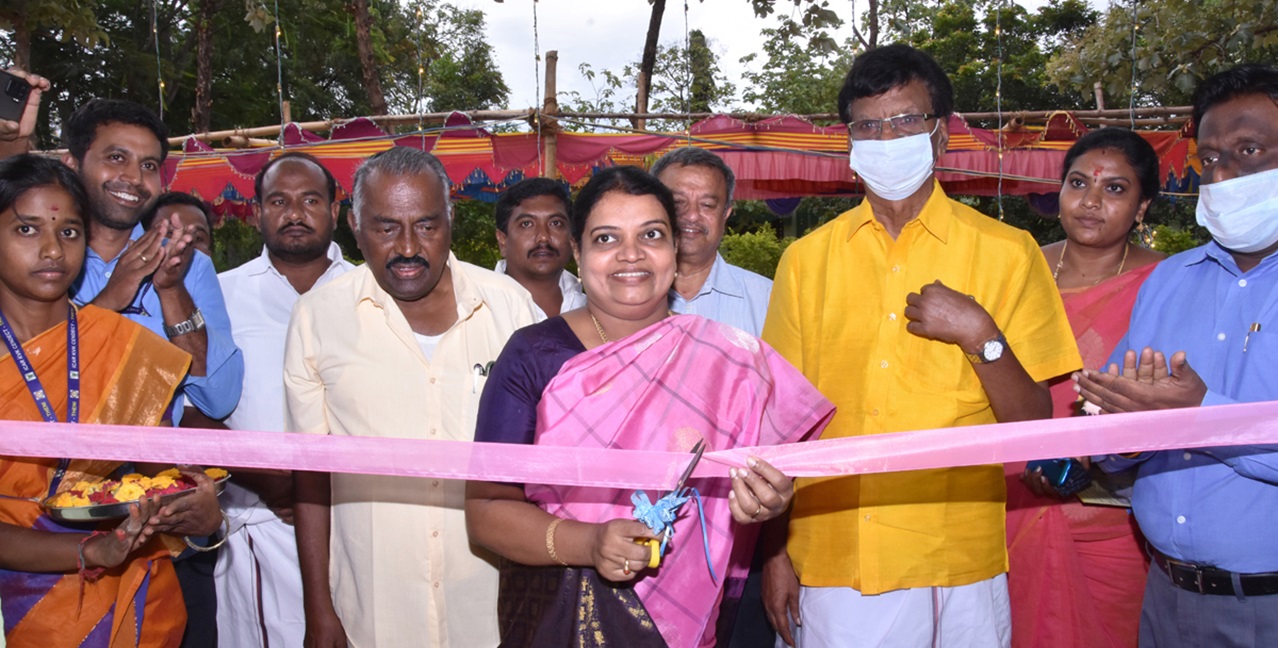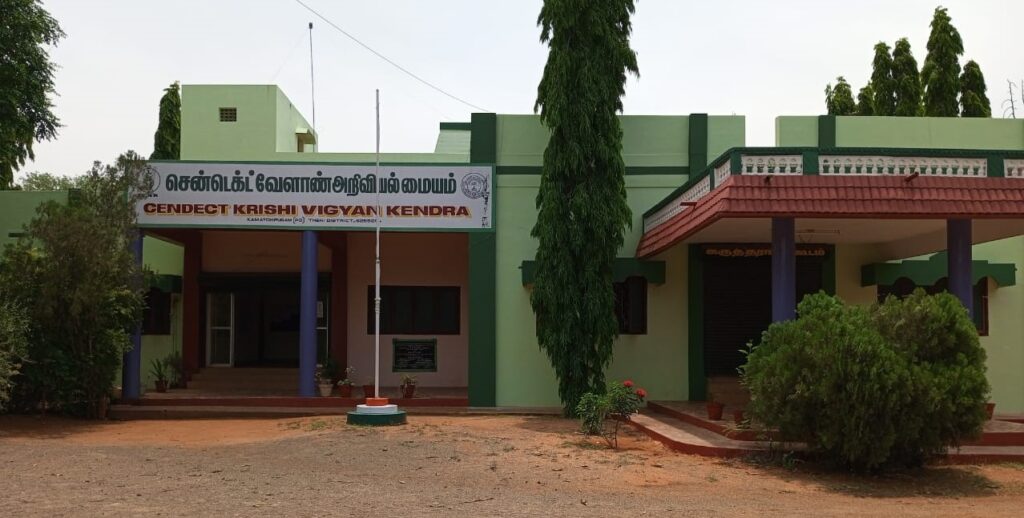
Krishi Vigyan Kendra (Farm Science Centre) in India is a unique system of technology transfer. Started its service on 21st March 1974 at Puducherry, the first KVK in India, grown to 731 KVKs in 2023. As the frontline extension system, KVKs have their footprint in every successful technology developed by institutions and adopted by farmers.... |
Hon’ble
Prime Minister
Hon’ble Minister of
Agriculture & Farmers Welfare
Secretary (DARE)
& Director General (ICAR)
![]() |
![]() |
![]() |
Indian Council of Agricultural Research (ICAR), Government of India mandated the establishment of Krishi Vigyan Kendras as grassroots level Farm Science Centres to provide various types of farm support activities like technology dissemination to farmers, training, awareness to achieve the set of objectives. KVK have made dent and has become part of decentralized planning and implementation instrument to achieve desired level of growth in agriculture and allied sector in the district.
KVK play a vital role in conducting on farm testing to demonstrate location specific agricultural technologies. KVK conducts demonstrations to prove the potential of various crops at farmers’ fields. Also conduct need based training programmes for the benefit of farmers and farm women, rural youths. KVK creates awareness about improved agricultural technologies through extension programmes. Critical and quality inputs like seeds, planting materials, organic products, bio fertilizers and livestock are produced by the KVK and made available to the farmers.
Technology assessment, refinement and demonstration of technology/products through the following activities of KVK.
- On-farm testing to identify the location specificity of agricultural technologies under various farming systems.
- Frontline demonstrations to establish its production potentials on the farmers’ fields.
- Training of farmers to update their knowledge and skills in modern agricultural technologies, and training of extension personnel to orient them in the frontier areas of technology development.
- To work as resource and knowledge centre of agricultural technology for supporting initiatives of public, private and voluntary sector for improving the agricultural economy of the district.
- In order to create awareness about improved technology, a large number of extension activities will be taken up.
- The seeds and planting materials produced by the KVKs will also be made available to the farmers.
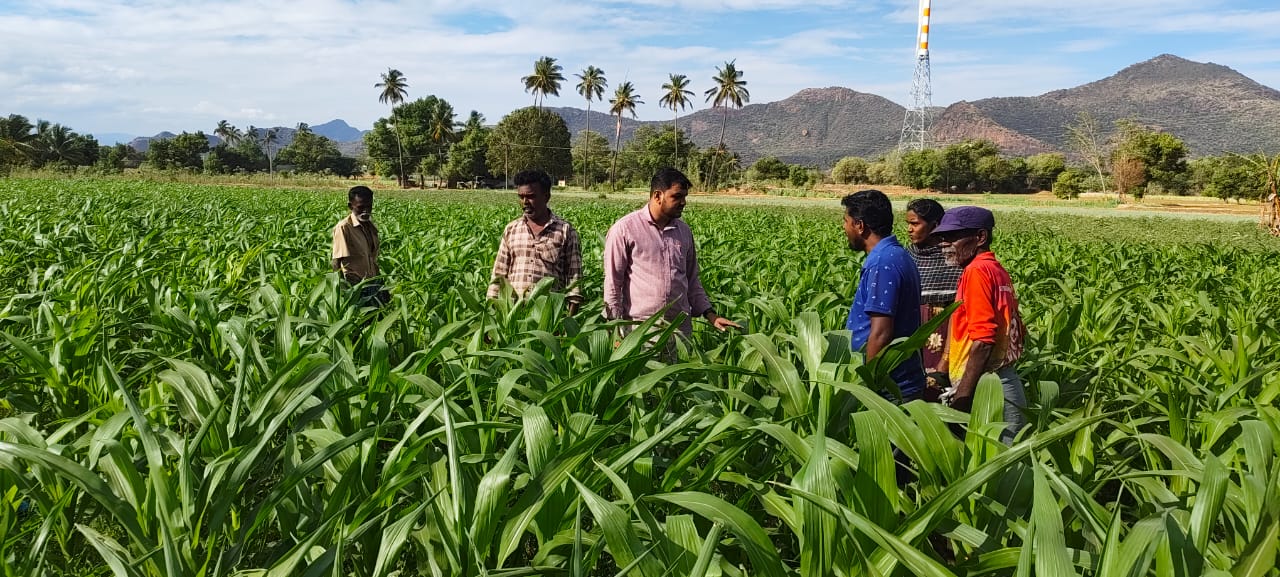
CFLD Biofortified Maize field visit
Event Details:
1. CFLD field visit was made to Biofortified Maize hybrid (HQPM 5) crop at Anuppampatti village of Andipatty Block.
2. We have recorded vegetative growth parameters and performance of biofortified maize hybrid.
3. We have identified fall army worm incidence in maize. Recommended Emamectin benzoate 5 SG @ 0.4 g/L of water (about 80 g/acre).
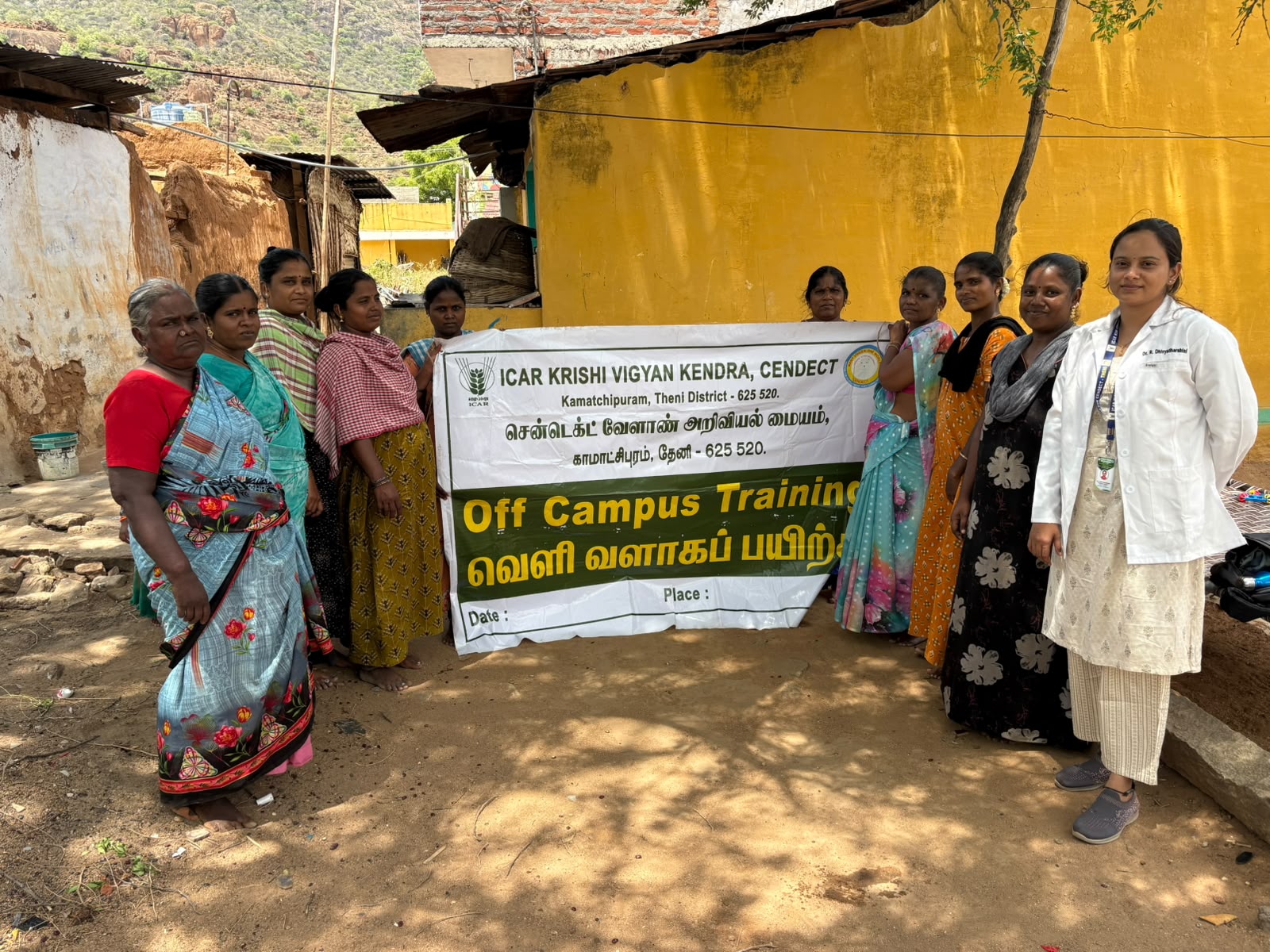
Off-Campus Training on Dairy Farming and Feeding Management
Event Details:
1. Conducted an extension training programme on scientific dairy management and nutritional management of dairy cattle.
2. Explained the importance of balanced ration formulation based on the animal’s age, body weight, physiological status, and stage of lactation.
3. Emphasized the role of green fodder, dry fodder, concentrate mixture, mineral mixture, and ad libitum clean drinking water in maintaining optimum rumen function and milk production.
4. Discussed feeding management during the transition period, early lactation, late lactation, dry period, and pregnancy.
5. Explained body condition scoring (BCS), feed conversion efficiency, and nutritional deficiency disorders affecting productivity and reproductive performance.
6. Covered preventive healthcare measures including vaccination, deworming, ectoparasite control, mastitis prevention, and biosecurity practices.
7. Addressed farmers’ queries regarding feeding schedules, reproductive management, common metabolic disorders, and disease prevention.